How Fit Do You Need to Be for Your First Himalayan Trek? An Honest Self-Check
Wondering if you're fit enough for your first Himalayan trek? Use this honest self-check to assess your readiness and understand what beginner treks really demand.
How Fit Do You Need to Be for Your First Himalayan Trek? An Honest Self-Check
It's late at night and you are looking at the trek page that has been open on your phone for three days now... You've seen those pics more times than you’d like to admit and the dates work for you. Your friends have already booked their tickets.
Then you remember this morning you took those stairs in office, and you were puffing by the third floor.
Am I actually fit enough for a Himalayan trek? Question comes to mind once again.
I asked it too, before my first Himalayan trek. And I got the answer wrong.
I've practised yoga for years. I was fit and healthy, and I honestly assumed Sandakphu, my first Himalayan trek, would be fine. Even though I managed to complete the trek, I could barely enjoy what the Himalayas had to offer.
I was breathless on the climbs after every few mins. And the way down was even worse. My knees hurt so much that I had to stop several times. So, I couldn’t fully enjoy the views or the mental serenity in the mountains.
The trek shattered my confidence but since then I have completed many Himalayan treks including Everest base camp. Slowly, things started to change once I started preparing before every trek.
Here's what I wish someone had told me before Sandakphu. You don't need to be an athlete to trek in the Himalayas. Most beginner friendly treks in India and Nepal are made for ordinary people like you and me… but they are not meant for unprepared body and mind.
So let's start by asking where are you right now.
What a Himalayan Trek Really Asks of Your Body
First, let's look at what you're actually getting ready for.
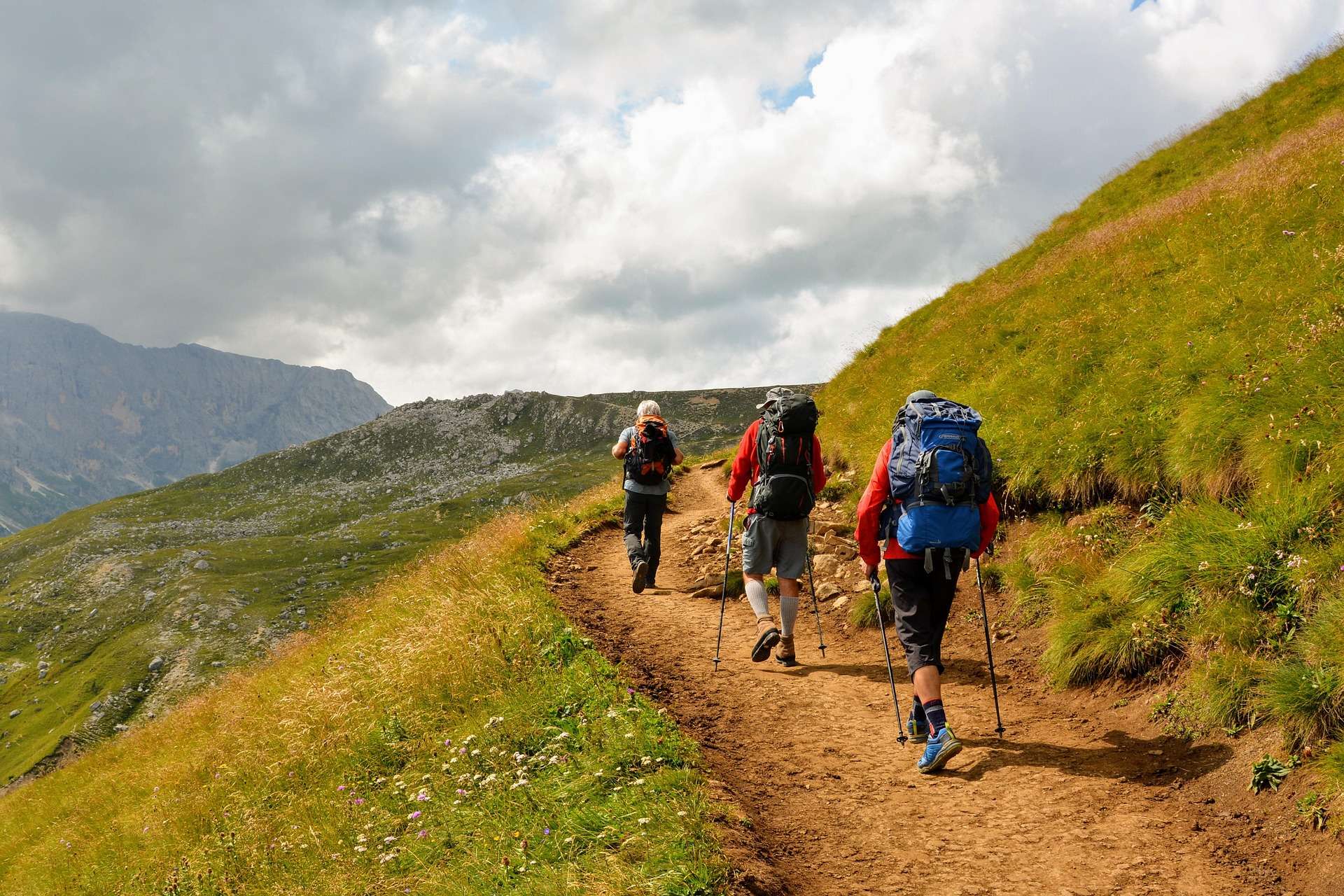
On a typical beginner trek like Kedarkantha, Dayara Bugyal or Sandakphu, you'll usually walk 3-6 hours each day often 4 to 6 days in a row.
The climbs are steady, and on some days you'll gain several hundred meters of height. Then come the long descents… the part your knees and thighs remember for days. You'll probably carry a daypack with your water, layers and snacks the whole way, unless you decide to carry the big backpack. And as you go higher, the air gets thinner, so everything feels a little harder than it would back home.
You don’t need to be fast. Nobody is timing you. What you need is the endurance to keep going for hours, legs and core strong enough for the ups and downs, and a body that's used to being on its feet for hours at a stretch.
What Do Most Trek Operators Ask For?
Most trek organisers set a fitness benchmark, usually built around a 5 km run. The numbers vary, even within the same organization. They publish their fitness benchmark to complete the run within a certain minutes. For an easy trek, mostly around 40 minutes or so. But numbers are not same for them all, so always check what your operator asks for your trek.
If these numbers scare you and you cannot run for whatever reasons… don’t worry. These are some of the benchmarks and a number you train towards.
The Honest Self-Check: 4 Questions
Do these tests yourself this week. Be kind to yourself but be honest. Keep the answers to yourself because that’s your own starting benchmark.
1. Can You Walk for an Hour Without Stopping?
Head out for a brisk walk. Not a stroll… the kind of pace where you can still talk, but only in short sentences. See how long you can keep going comfortably.
- 60 minutes or more, feeling okay: You have a good base.
- 30–60 minutes: You're on your way.
- Under 30 minutes: That's a perfectly normal starting point. You must build this up first.
2. How Long Does a 5 km Brisk Walk Take You?
Pick a flat route and track it with any free app or your phone's step counter.
- Under 45 minutes: You're close to the walking benchmarks some operators accept.
- 45–60 minutes: A solid start; regular walking will help you improve.
- Over 60 minutes, or you can't finish it yet: Start with shorter walks and add a little each week with regular tracking.
3. Take the Stair Test
Find one long staircase in your home or office building. Climb 5 floors at a steady pace with relatively empty stomach, without stopping and then walk back down.
- Going up: Be mindful about your breathing. Can you still say a short sentence at the top? Breathing hard is normal but gasping and requiring frequent pauses show that your lung capacity must be improved.
- Coming down: Do your knees or thighs feel shaky or sore? That tells you your descends need some training too, and descents are where most first-timers struggle because they think its easy.
This isn’t an official or medical test, but if you consistently do it for 2-3 weeks and test again, you will certainly find an improvement.
4. How Often Do You Move Right Now?
Be really honest with this one.
- Three or more days a week of walking or exercise: great, you already have a habit to build on.
- Now and then: your first goal is to be consistent, not to push harder.
- Rarely, or it's been years: that's okay. Lots of people start right here and still make it to the trail. You just need a bit more time.
So… Are You Fit Enough?
Look back at your answers.
Mostly at the top categories? You're in a good place. Keep training, and put your focus on hills, stairs and leg strength.
Mostly in the middle? You're in good company. This is where a most people are, and with 8 to 12 weeks of regular training, most people in this zone get trek-ready.
Mostly at the bottom? Give yourself more time, ideally 12 weeks or more, and begin with walking. It's just your starting point.
Note: if you have a heart condition, high blood pressure, joint problems, or you're coming back after an illness or injury, please check with your doctor or physio before you start training or book a high-altitude trek.
The Mountains Don't Care If You're an Athlete
They only care whether your body is ready for hours on your feet, uphill and down.
So if you can't tick every box today, please don't give up on your dream trek. Take it as your sign to start training this week.
Do the self-test today and write down your answers. Then do it again in a month. Watching those numbers change is one of the best feelings before a trek.
And one morning, you'll be standing up there with the peaks all around you, knowing exactly how you got there.
See you on the trail! 🏔️
You may also like: 5 Beginner Friendly Himalayan Treks in India and Nepal · Kedarkantha for beginners: The Perfect First Himalayan Summit