Can't Run 5 km? How to Get Trek-Fit by Walking
Think you need to run 5 km to prepare for a Himalayan trek? Discover why walking can be the foundation of trek fitness and follow an 8-week beginner-friendly training plan.
Can't Run 5 km? How to Get Trek-Fit by Walking
If you've planned a Himalayan trek and looked up the details on the internet, you've probably seen it- most trek operators mention some fitness criteria on their web page. Somewhere on that page, usually between the altitude chart and the packing list, sits one short sentence that may shake your confidence in an instant.
Run 5 km in 35 minutes.
It looks harmless. It's only six words long.
But it can quietly end a lot of Himalayan dreams before they even begin.
Someone reads that line, tries to remember the last time they ran (in a school sports day, may be?), and closes the tab. “Some other time”, they tell themselves.
A friend of mine went through exactly this. She had already booked her first Himalayan trek. But she never managed to run 5 km in the specified time, so she couldn't meet the fitness criteria, and had to give up on the plan.
This post is for that friend, or for all those who had closed that tab. Because the sentence holds a small mystery, and once you solve it, the 5 km run stops looking a dreaded path.
Why do the trek operators ask you to run 5 km?
Let’s start with the even more obvious question: Why a run at all?
Nobody runs on a trek. Not on the climb out of the forest, not on the summit morning, and certainly not on the way down with a daypack on their back. A trek is a long, slow walk for hours. So why test you on something you'll never do for real?
The answer is far less sinister than it looks. A trek organizer has only few weeks and a list of strangers. They need a test that's easy to explain, easy to time and easy to follow for most people. A 5 km run ticks the boxes. You can do it in any city, a phone app can easily record it, and it is not very easy to fake the time.
What the organizers actually want to know through this test is this: can your heart, lungs and legs keep working steadily for a long time?
The question here was never "can you really run 5 km in 35 minutes?" It was always "Can you keep going?"
And if you read the fitness pages slowly you will notice that the number isn't fixed. An easy trek might ask for 5 km in around 40 minutes. A moderate one, closer to 35. A difficult one, around 30. But what if you really cannot run? Does it mean you cannot trek? Not really.
So, Can Walking Really Get You Trek-Fit?
For most beginner treks, yes. With one condition: it has to be the right kind of walking.
The evening stroll to the vegetable market won't work. Neither will a slow round in the park with a chitchat with friends. Trek-fit walking is different in few ways.
Brisk: You walk with purpose, breathing harder than usual, able to speak a full sentence. If you use a smart watch look for zone 2 hear rate. That's the pace that trains your heart and lungs.
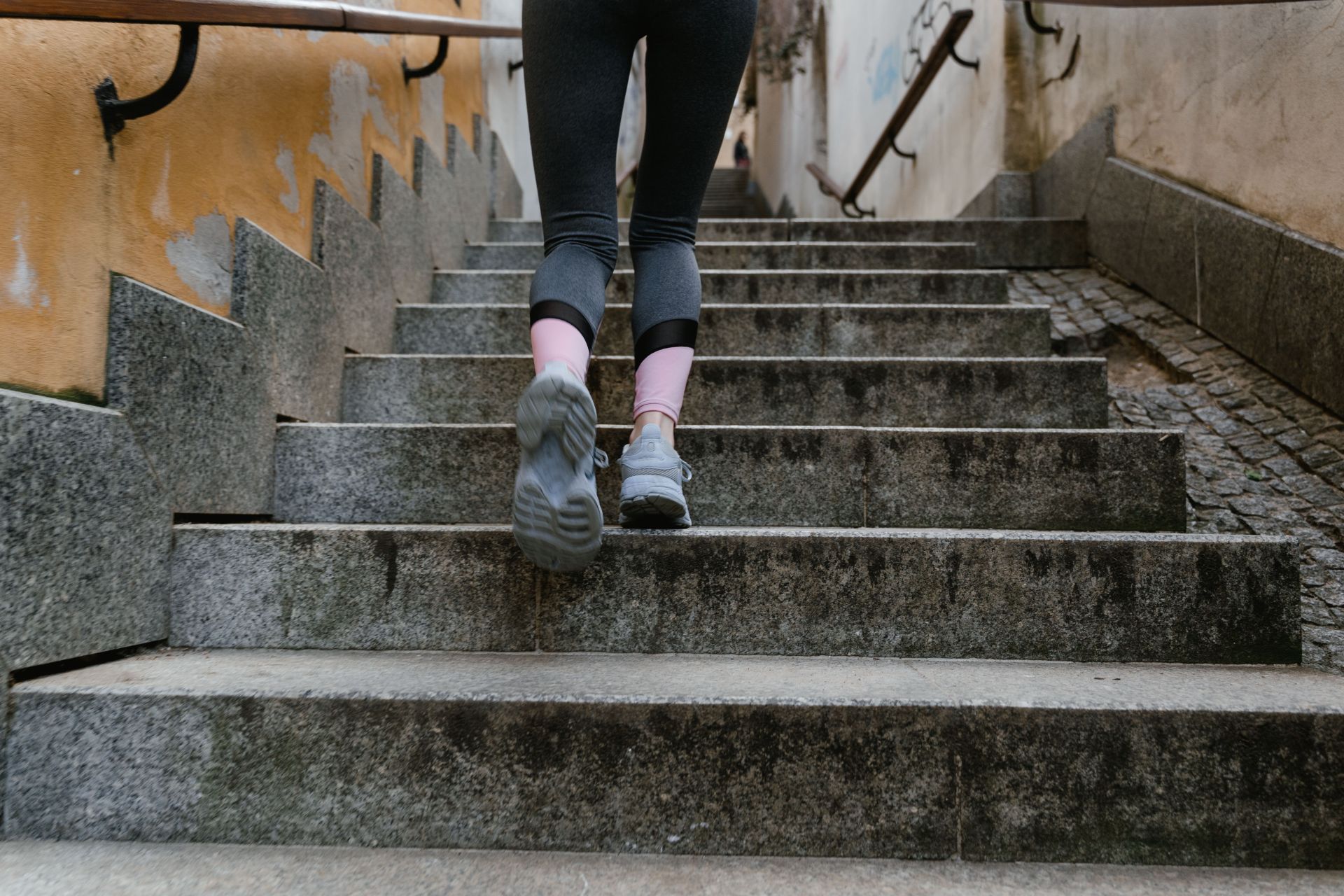
Go up and down: Trails are rarely flat. Stairs, ramps, foot overbridges and any slope your city offers are where your legs learn to climb, and, just as importantly, to come down slowly without your knees complaining.
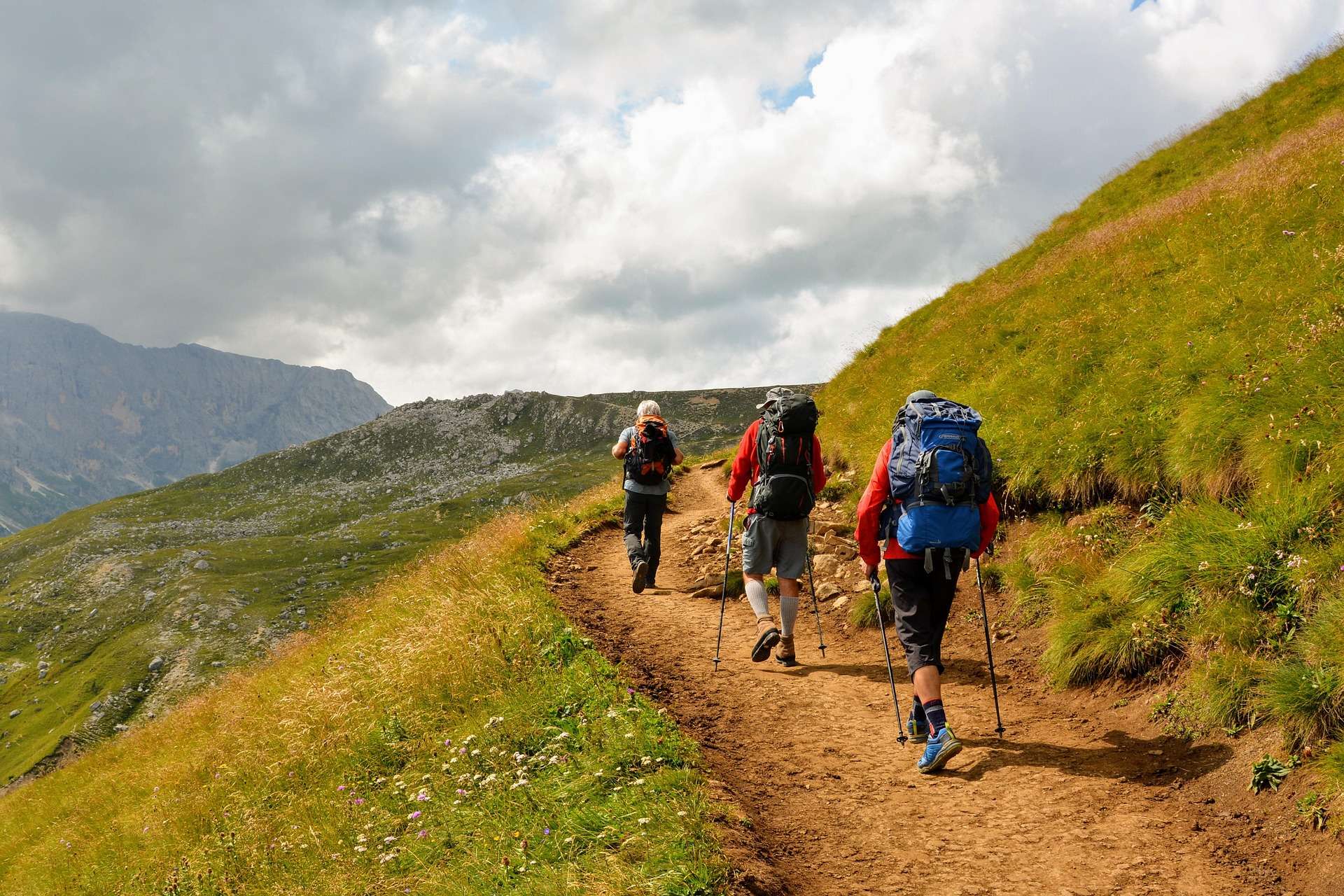
Long duration with a backpack: On a trek you're on your feet for hours, day after day, with a daypack. So once a week your walk should longer, and in time your backpack comes along.
Do all three for a couple of months, add a little leg workouts, and the 5 km test stops being a hurdle and becomes a side effect.
A story from My Own Trail
I've told the Sandakphu story before, in How Fit Do You Need to Be for Your First Himalayan Trek?, so here is the part that matters for this post. When I faced challenges on the first trail, and decided to train well for other treks, I didn’t start with running. I started by walking.
Running came later, slowly increasing duration and distance one at a time. My legs were not prepared for it, so I then started the strength work. Since then I've done many Himalayan treks, including Everest Base Camp. Running helped me to some extent, and I'd never tell anyone to avoid it. If you enjoy running, it is excellent. But build your endurance and then run faster. And walking is the foundation for that. For a lot of people reading this, it's the best place to start.
How to start:
Here is an 8 week walking plan (No Running Needed) for complete beginners who dread running. This plan assumes you can already walk for about 30 minutes without trouble. If you can't yet, start with 15 to 20 minutes and spend two or three extra weeks building up before Week 1. If you have 12 weeks before your trek, use the extra time to repeat Weeks 1 to 4 rather than rushing ahead.
- Weeks 1-2: Find your pace
- Walk briskly 3 to 4 days a week, 30 minutes each time.
- Climb stairs twice a week for 5 to 10 minutes. Come down slowly.
- At the end of Week 2, time one 5 km walk and write it down. It's your starting point.
- Weeks 3-4: Add hills and strength
- Keep 4 to 5 walks a week, now 40 to 45 minutes.
- Make two of them include stairs or slopes for 10 to 15 minutes.
- Add squats, step-ups and lunges twice a week. Refer Top 5 Exercises for Beginner Trekkers.
- Take one longer weekend walk/hike of about an hour and a half.
- Weeks 5-6: Add the backpack
- On your longer walks, carry your daypack with a few kilos in it: water, a jacket, snacks.
- Stretch the weekend walk to 1.5-2 hours, with some stairs or slopes in it.
- Time your 5 km walk again. You'll probably see minutes coming off.
- Week 7-8: Rehearse the trek
- One weekend walk of 2-3 hours or more, backpack on, close to what you'll carry on the trail.
- Keep the stairs and the slow, controlled descents.
- Time your 5 km walk once more.
A week before your trek, rest more, reduce the walk duration by 50%.
Rest at least one day a week. A tired, sore muscle is normal. A sharp pain in a joint is your signal to stop and get it checked.
Note: If you have a heart condition, high blood pressure, joint problems, or you're coming back after an illness or injury, please check with your doctor before you start training or book a high-altitude trek.
Running is still relevant
Running is not a villain of the story, not at all.
Running builds the same endurance faster, and plenty of trekkers love it. If you can and like to run, work on building the endurance. Once you are comfortable with walking for long duration without joint pain, start slow jogging and slowly build from there. Just don’t rush.
So, start this week. Time your first 5 km walk, however slow it is, and write the number somewhere you'll see it every day. Eight weeks from now, you'll compare. And one cold morning, on a trail far from any footpath, you'll realise that the person who once closed that trek page is the one standing at the top.
See you on the trail!
You may also like: How Fit Do You Need to Be for Your First Himalayan Trek? An Honest Self-Check · 5 Beginner Friendly Himalayan Treks in India and Nepal