Can a Beginner Do Everest Base Camp (EBC) trek? My Honest Answer
Many people ask whether Everest Base Camp can be their first Himalayan trek. The honest answer is more complex than you think. Here's what actually makes EBC difficult and why preparation matters more than enthusiasm.
Can a Beginner Do Everest Base Camp (EBC) trek? My Honest Answer
Somewhere above 4,000 metres, a trek stops being just a walk and becomes a negotiation with your lungs. You can be fit enough, you may run a marathon, you can be motivated and well rested, and the MOUNTAIN will still have the say.
Everest Base Camp has become the trek that everyone has on their bucket list. The photographs are beyond beautiful, the name “Everest” itself rushes adrenalin, and many of the trek operators will tell you that anyone reasonably healthy can do it. So, people ask me, “can a beginner do the Everest Base Camp trek?”
My straight answer to that is: Do not do it as your first Himalayan trek, and not without proper preparation. I am not saying this to discourage you. I am saying it because I want you to really enjoy the trek, rather than simply coping with the days on the trail.
"Can" and "should" are two different questions
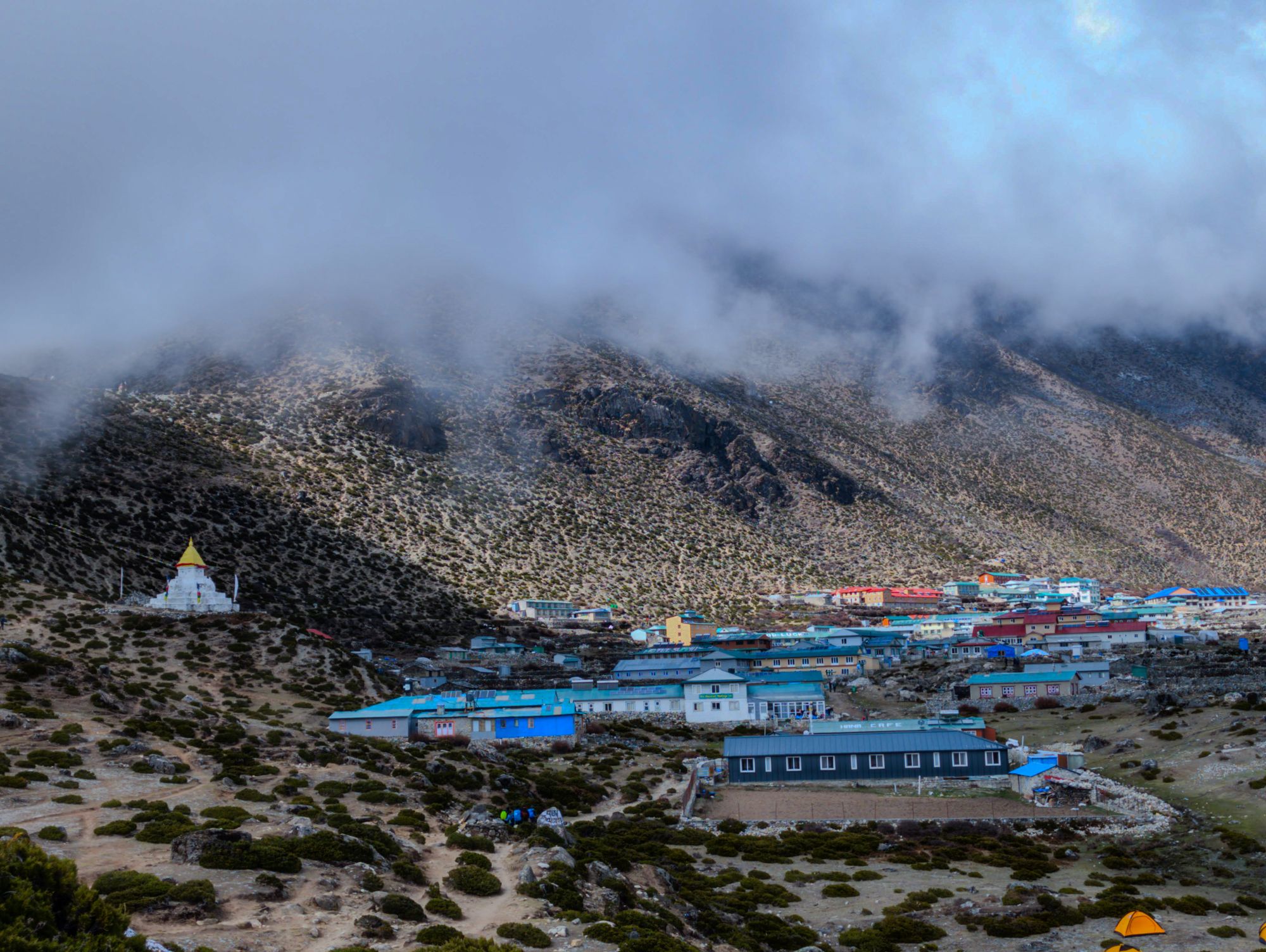
Technically, yes, it is possible. Many people with no mountain experience reach EBC every season and boast about it on social media. It is one of the most comfortable trekking routes with teahouses, beautiful villages throughout the trail and you can easily hire a porter to carry your main luggage.
But "can I get there" and "should I just go for my first trek" are two different questions. Everest Base Camp is at approx. 5,364 meters (17600 ft), higher than most first timers might have ever reached, and the standard route gets there in roughly 7-8 days, within a total of 12–14-day trek. There is very little room in the schedule to learn things on the way
But isn't it just walking?
Yes, Everest Base Camp is a trek, not a technical climb, and you do not need any mountaineering skills. But this doesn’t change the fact that you still have to walk every step yourself, with a daypack of 3-5kg, and you do it in the air that gets thinner day by day.
This is what makes it deceptive. The trail looks gentle in photos. Your body may tell you something else…
What actually makes it difficult
The altitude. You start at Lukla, around 2,860 meters(9300 ft), and finish above 5,300. At Base Camp, each breath gets only 50% of the oxygen it does at sea level. You read it right…Your body can adapt, but it needs days, not hours, and it adapts at its own speed, not as per your own wish.
The long trek days. On the trekking days you walk for at least seven to eight hours, and the day you reach Base Camp is among the longest. It is not technical, it is steady and repetitive effort, day after day, in thin air. So, the tiredness catches up as you go from day 2 to day 7.
The conditions. The cold mornings, it can feel extreme if you have never been on a trek ever. Then the basic rooms with no heater and sometimes no electricity, washrooms with strictly limited water and food that for some may feel too basic and bland. High up that altitude, resources are scarce, and you may find it difficult to adjust, along with the loss of appetite and lack of sleep which is very common at that altitude.
Adaptability. How quickly can you cope when the plan changes, when you are cold and tired and the next teahouse is still few hours away? On the first trek you are still learning how to adapt, but on this route, you would be learning it with a very high risk.
Preparation is not a guarantee
This is something I have seen with my own eyes. Even a fit, experienced trekker in the mountains could not complete the trek because of altitude sickness. They had strong legs, great stamina, and good experience, but the altitude still sent them back.
This is not to say that’s their failure, altitude sickness does not check your fitness level. Two people of the same age and ability can react completely differently on the same trail on the same day, and nobody can fully predict that before.
So no, preparation is not a guarantee. But it improves your chances. A well-balanced preparation means your body is somewhat used to with the demand and drains less energy , so you have more left when the air gets thin. And some trek experience in higher altitude means you already know how your body behaves at that level. And most importantly, a practiced mind handles situations better when something feels off.
Then what should a beginner do instead?
Do not just cross it off your list. Build towards it.
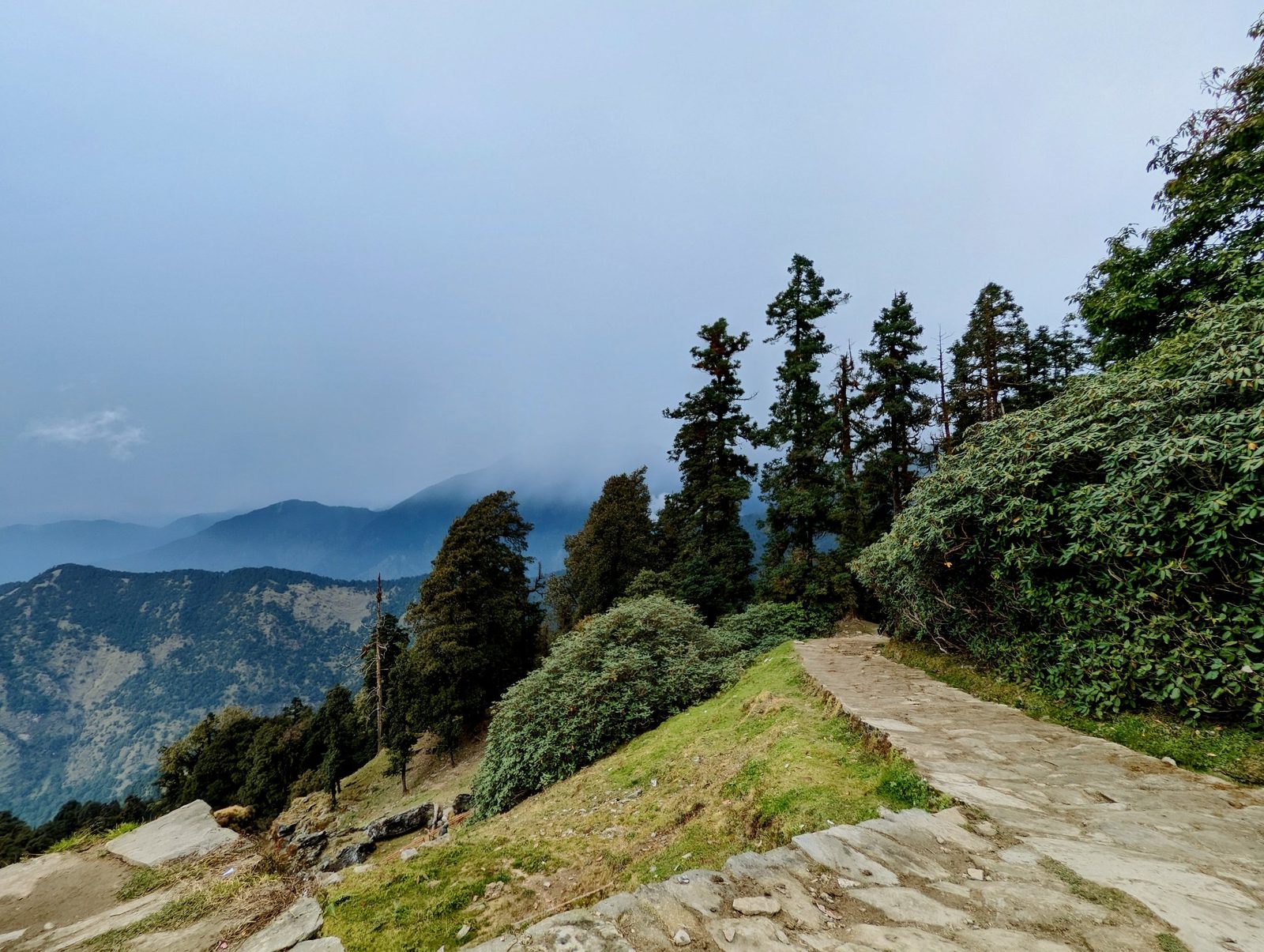
First start with couple of easier treks. Choose something in the 10k-12k ft (3k-4k m.) range, where you can spend a few nights at higher altitude and get to know how it feels. You can choose from any easy grade beginner friendly treks, refer to my post 5 beginner friendly Himalayan treks in India and Nepal for more details.
Then give yourself four to six months of steady training for the EBC trek itself. Start with some longer walks and build your endurance and stamina, climb stairs, go on weekend hikes, work on strengthening your legs. If you are not sure where you stand today, this honest self-check is a good place to begin, and if running has never been your thing, you can build a base by walking.
Choose an itinerary with proper acclimatization days, and don’t skip them. A shorter schedule looks attractive but can cost you both your health and money.
Walk slowly, slower than you think you should, to acclimatize properly.
Reaching Base Camp is only half of the walk. The return takes you back on the same route, mostly in fewer days, so your legs are already tired by then. Descents are where your knees and thighs get tested again, so it is worth training for them, and using trekking poles can take some of the strain.
How do you know you are ready?
Can you manage two or three long walking days in a row, with a loaded backpack? Have you done at least one or two high-altitude treks where you were 3500m or above and felt tired, but fine? And you can still feel the zeal to go on that dream trek? Then you are in a better place than someone who simply has never tried it before.
It's a journey, not a checklist
Everest Base Camp is a wonderful trek, but it will not be worth to just tick it off. A trek of a lifetime deserves to be enjoyed: the prayer flags, the cold clear mornings and crisp air, the quiet evenings in a teahouse, the long walks with nothing to do but look around. That only happens when your body has the spare energy and your mind is not in survival mode.
That is what experience and preparation really gets you.
So, my answer to "Can a beginner do Everest Base Camp trek?" stays the same. Not as your first trek, and not unprepared. Start with an easier trek, train steadily, and let the mountain tell you when you are ready. You will know it in your heart. Base Camp will still be there next year, and the years after that.
You may also like: How Fit Do You Need to Be for Your First Himalayan Trek? An Honest Self-Check · Can't Run 5 km? How to Get Trek-Fit by Walking · 5 Beginner Friendly Himalayan Treks in India and Nepal