Should You Trek in the Monsoon? An Honest Guide
Monsoon trekking in the Himalayas is controversial. Some swear by it; others avoid it entirely. Here's an honest look at the pros, cons, and which treks are actually worth doing in the rain.
The Himalayan monsoon runs roughly from late June to mid-September, and it divides the trekking community. Some trekkers love the lush green landscapes, the solitude, and the dramatic skies. Others point to the leeches, the landslides, and the persistent rain.
Both sides have a point. Here's an honest assessment.
The Case For Monsoon Trekking
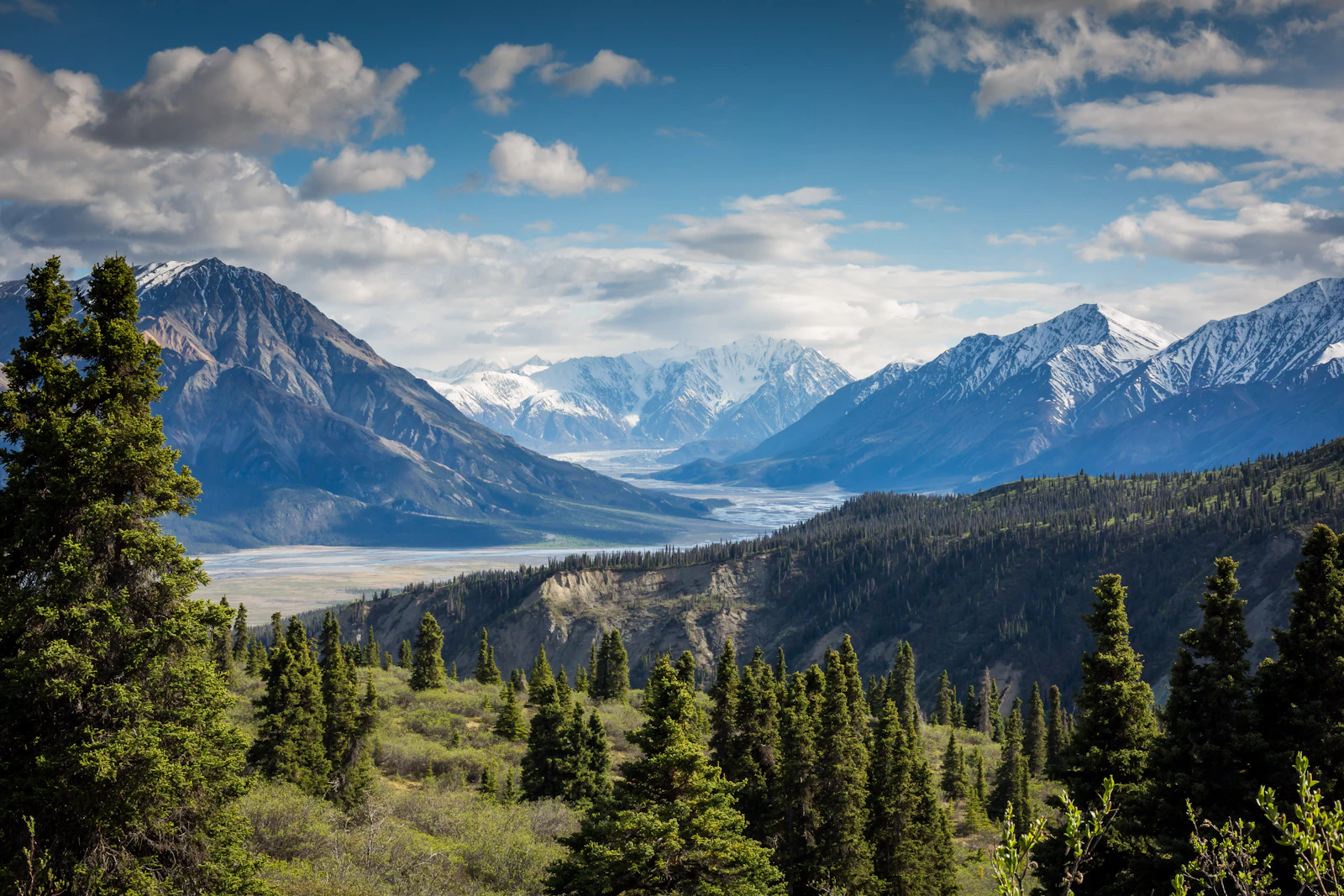
The landscapes are extraordinary. The Himalayas in monsoon are a different world — waterfalls everywhere, meadows carpeted in wildflowers, rivers running full and fast. If you've only seen the mountains in winter or autumn, you're missing something genuinely beautiful.
The trails are empty. Peak season crowds disappear entirely. You'll have teahouses to yourself, trails without queues, and a much more intimate experience of the mountains.
Prices drop significantly. Accommodation, guides, and permits are all cheaper in the off-season.
The Case Against
Leeches. Let's be honest — they're everywhere on lower-altitude trails during monsoon. They're not dangerous, but they're unpleasant. Leech socks and salt are your friends.
Trail conditions. Paths become slippery, river crossings can be dangerous, and landslides are a real risk on some routes. Always check current conditions before you go.
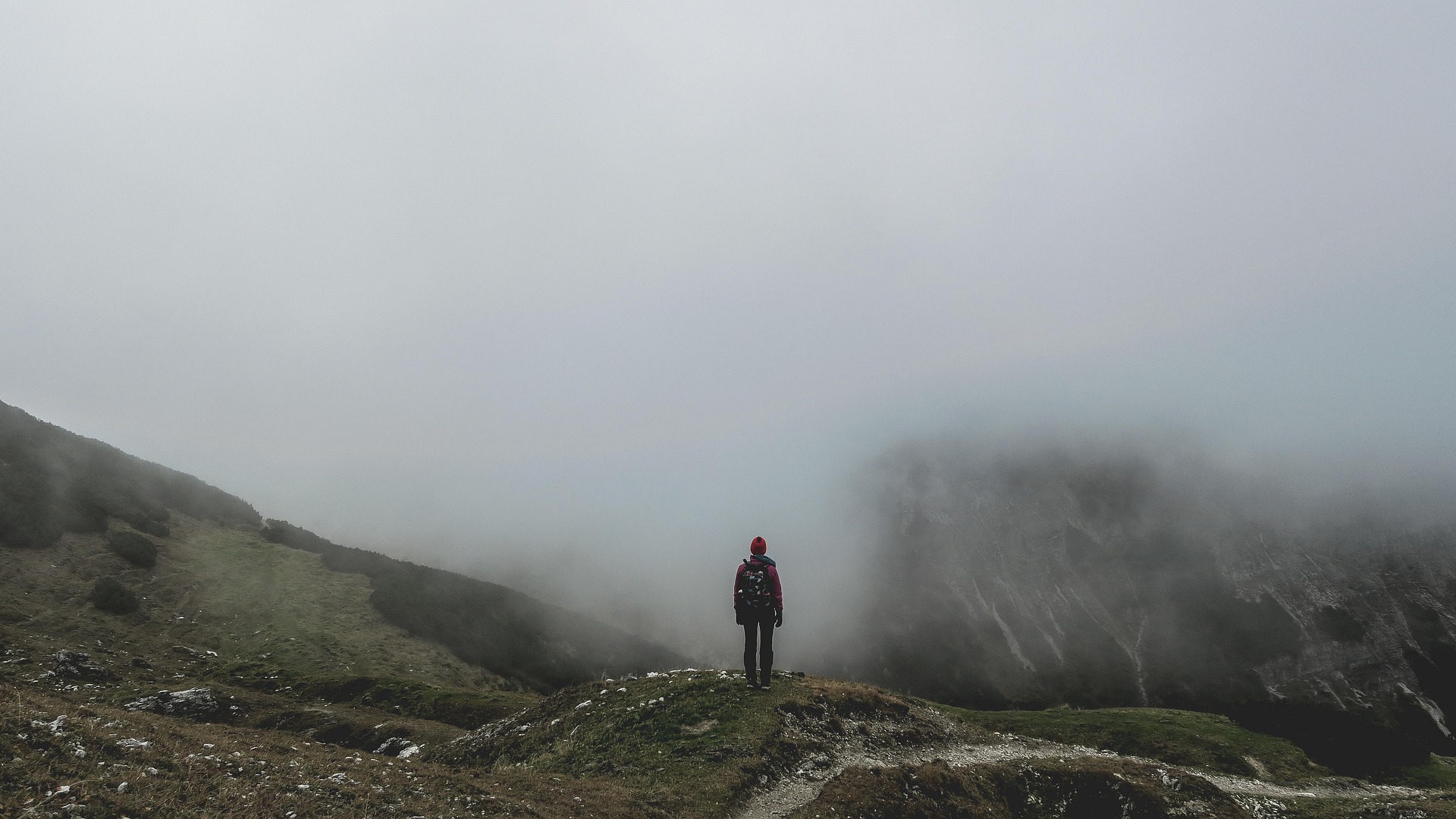
Limited views. Cloud cover is persistent. You may trek for days without seeing the peaks you came for.
Flight and road disruptions. Getting to and from trailheads can be complicated by weather-related delays.
Which Treks Work in Monsoon?
The key is to go where the monsoon doesn't reach — or where it matters less.
Rain shadow regions (Spiti, Ladakh, Zanskar) are in the Himalayan rain shadow and receive very little monsoon rainfall. These are excellent monsoon destinations.
Forest treks at lower altitudes can be beautiful in the rain — the Valley of Flowers in Uttarakhand, for example, is at its absolute best in July and August.
Avoid high-pass treks, river valley routes, and any trail with known landslide risk during this period.
Monsoon trekking isn't for everyone. But if you go in with the right expectations and choose the right route, it can be one of the most memorable experiences the Himalayas offer.