Essential Gears for Your First Himalayan Trek: Here's What I Wish I'd Known Before My First Trek
After several treks in the Himalayas, I've learned that good gear isn't about spending more money. It's about carrying the right things. Here's what actually deserves a place in your backpack.
If you're preparing for your first Himalayan trek, chances are you've already spent hours watching gear videos, reading trekking blogs, and making endless shopping lists. I know I did.
Before my first trek, I walked into an outdoor gear store expecting clear answers and walked out even more confused. Every item seemed essential. Every brand promised to be a game-changer. In reality, I ended up carrying a lot of stuff I never used.
After spending time on mountain trails, I've learned that successful trekkers aren't the ones with the most expensive gear. They're the ones who carry the right gear. Here's what genuinely matters when you're heading out on your first Himalayan trek.
Your Boots Matter More Than Almost Anything Else
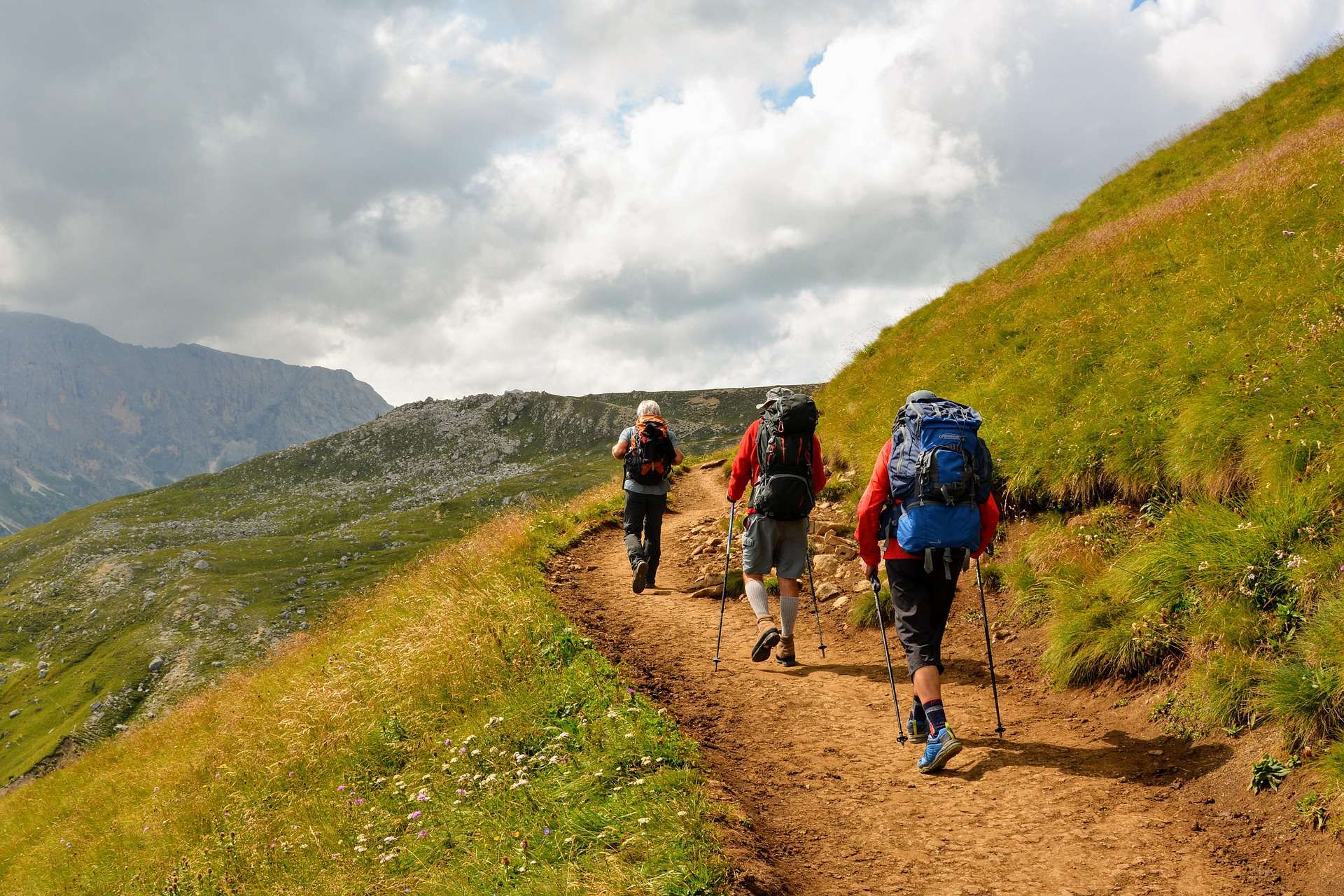
If there's one piece of gear worth investing in, it's your footwear. Himalayan trails are rarely smooth. You'll encounter loose rocks, uneven terrain, stream crossings, steep climbs, and long descents that can take a toll on your feet.
A good pair of trekking boots with solid ankle support can make a huge difference. But here's the mistake many beginners make: they buy brand-new boots and wear them for the first time on the trek.
I've seen trekkers develop painful blisters by the second day simply because they never broke in their footwear. Wear your boots during training hikes and long walks for a few weeks before your trek. By the time you reach the mountains, they should feel comfortable and familiar.
And don't underestimate good socks. Moisture-wicking trekking socks can save your feet from unnecessary pain and discomfort.
Master the Layering System
One thing that surprises most first-time trekkers is how quickly mountain weather changes.
You could start the morning wearing a light t-shirt under clear skies and find yourself reaching for a jacket just a few hours later. That's why layering is far more useful than carrying one bulky jacket.
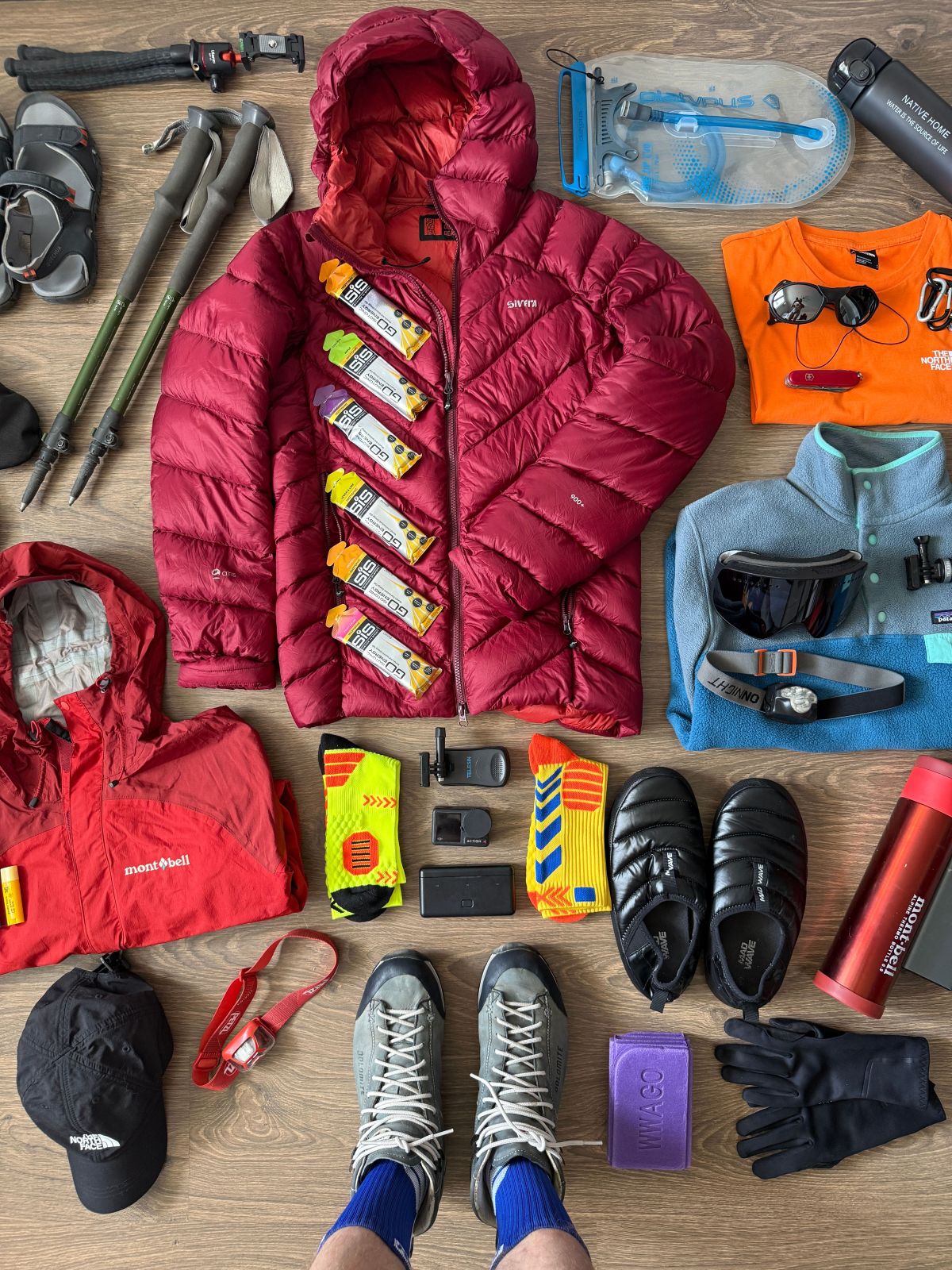
A simple layering system includes:
- A moisture-wicking base layer to manage sweat
- A warm mid-layer such as a fleece or insulated jacket
- A waterproof outer shell to protect against wind and rain
Avoid cotton whenever possible. Cotton absorbs moisture and stays wet for a long time, which can leave you feeling cold and uncomfortable when temperatures drop.
Don't Overpack Your Backpack
Most first-time trekkers pack for every possible situation.
I certainly did.
Extra clothes, extra gadgets, extra snacks, and plenty of things I never touched once during the trek. The result was a backpack that felt heavier with every kilometer.
If your main bag is being carried by porters or support staff, a daypack between 20 and 30 liters is usually sufficient for water, layers, snacks, and personal essentials.
If you're carrying all your gear yourself, focus on fit as much as size. A well-fitted backpack with a good hip belt transfers weight efficiently and helps reduce fatigue during long trekking days.
Trekking Poles Are Worth It
I'll be honest. For years, I thought trekking poles were optional.
Then I used them properly during a long Himalayan descent and immediately understood why experienced trekkers never leave them behind.
Downhill sections place tremendous pressure on the knees. Trekking poles help distribute that load, improve stability on uneven ground, and reduce overall fatigue. They also help maintain a steady rhythm during climbs.
Today, trekking poles are one of the first things I pack.
Staying Warm After Sunset Matters
Most beginners focus on the hike itself and forget about the nights.
At higher altitudes, temperatures can drop surprisingly fast after sunset, even if the day was warm and sunny.
If you're camping, a quality sleeping bag suited to the expected temperatures is essential. A warm night's sleep helps your body recover and prepares you for the next day's climb.
Even if you're staying in tea houses, a sleeping bag liner can add an extra layer of comfort and warmth.
Hydration Is More Important Than You Think
The combination of altitude, dry air, and long hours of walking can dehydrate you quickly.
One of the simplest ways to perform better on the trail is to drink water consistently throughout the day.
I always carry enough capacity for at least 2 to 3 liters. Depending on the route, water purification tablets, filters, or UV purifiers can provide an extra layer of safety.
Never assume mountain water is safe simply because it looks crystal clear.
My Personal Trekking Essentials Checklist
Along with the major gear items, there are a few things I never leave behind:
- Headlamp with spare batteries
- UV-protective sunglasses
- SPF 50+ sunscreen
- Basic first-aid kit
- Personal medications
- Energy bars, nuts, and trail snacks
- Rain cover for the backpack
- Emergency whistle
- Portable power bank
These items don't take up much space, but they'll often be the things you're most grateful to have.
Final Thoughts
The truth is that a great trekking experience isn't about having more gear. It's about having the right gear.
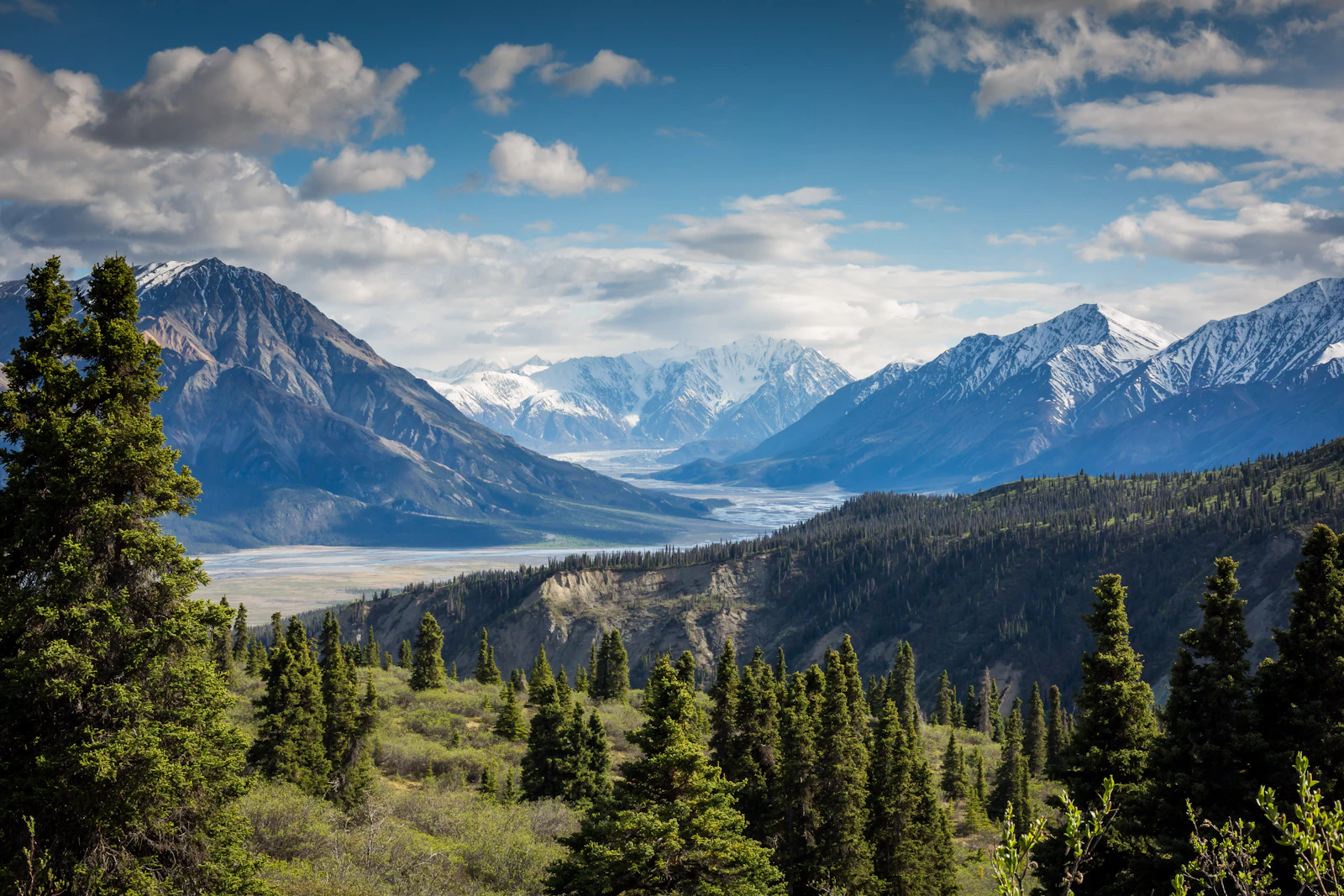
When you're standing on a Himalayan ridge surrounded by towering peaks, you won't care whether your jacket is the newest model or your backpack has the latest features. You'll care that your feet feel good, your clothes are keeping you warm, and your pack isn't slowing you down.
Pack light. Train well. Respect the mountains.
And remember, the most valuable thing you can bring on any trek isn't something you buy from a gear store. It's a body that's physically prepared for the demands of the journey.
At Fitness for the Mountains, we always say: Gear helps you trek, but fitness helps you enjoy the journey.